

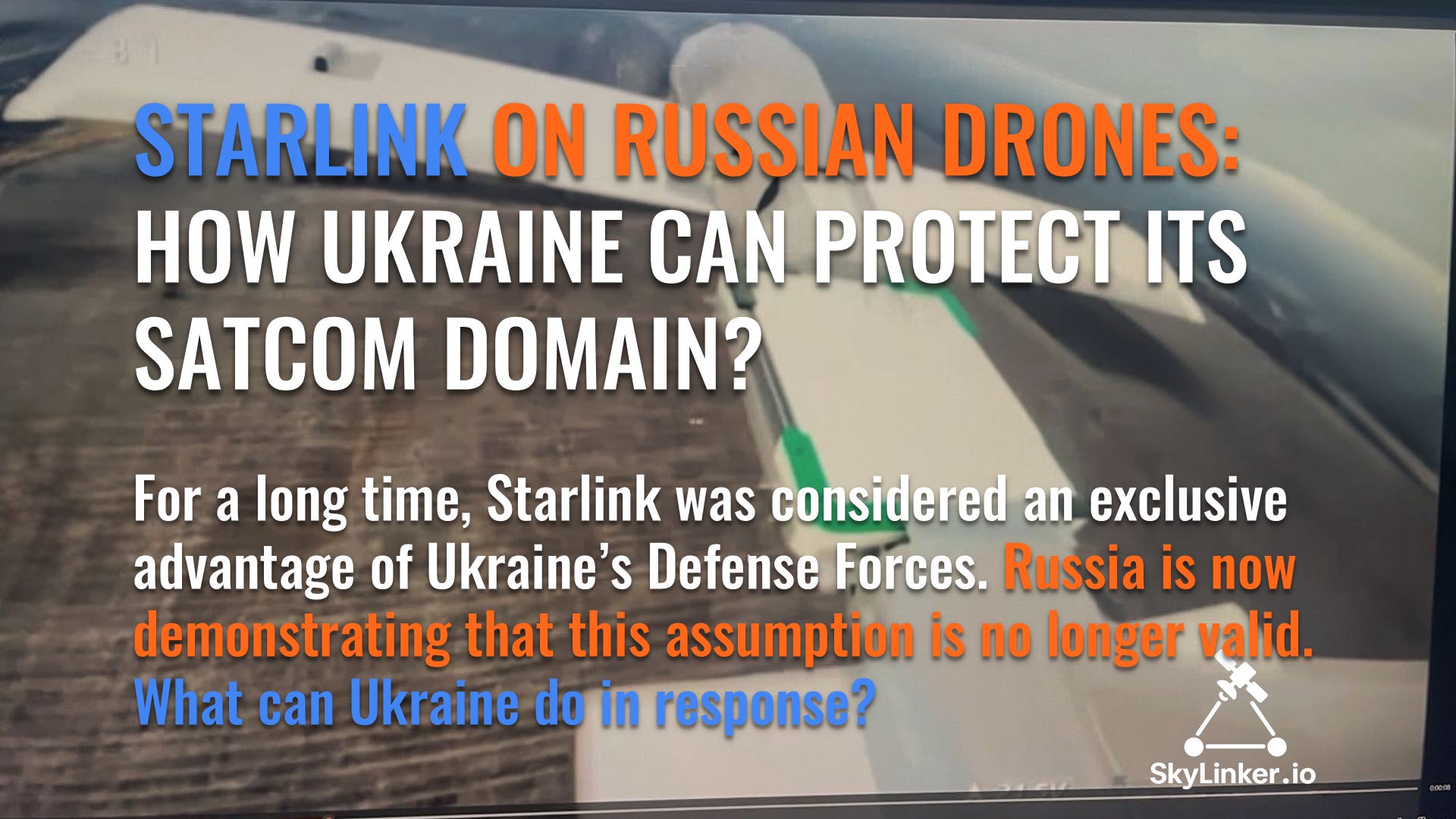
The rapid deployment of Starlink satellite communications in Ukraine in 2022 became possible, among other factors, due to the maximum simplification of telecommunications regulations. More than three years have passed. The situation has changed dramatically: the armed forces of the aggressor state are now beginning to use Starlink systematically and at scale for reconnaissance, strike capabilities, and communications. How can Ukraine counter this development?
The History of Starlink in Ukraine
Historically, when Starlink services were launched in Ukraine, access was provided only within territories controlled by the Ukrainian government. The regulation of satellite connectivity coverage zones was managed by SpaceX — partly in accordance with the agreements in force at the time with the Ukrainian government, and partly at the company’s own discretion.

After several high-profile incidents involving unexpected service disruptions that directly affected combat operations of the Armed Forces of Ukraine, certain changes followed. Ukraine’s military leadership and government officials subsequently reached an agreement with SpaceX under which the company would not restrict Starlink satellite connectivity anywhere within Ukraine’s internationally recognized borders of 1991.
Since then, there have been periodic technical disruptions within the Starlink network, as well as isolated, non-public incidents involving access termination for specific group accounts. Overall, however, SpaceX adhered to the agreement. For a period of time, Starlink — due to its convenience and availability — served as an exclusive operational advantage for Ukraine’s Defense Forces.
This situation has now changed. There is growing evidence of the systematic and large-scale use of Starlink by the armed forces of the aggressor state. While Starlink services remain unavailable within the territory of the Russian Federation itself, satellite connectivity is accessible in temporarily occupied Ukrainian territories within the 1991 borders. Russian forces are increasingly exploiting this access.
Starlink in Russia’s Military Arsenal
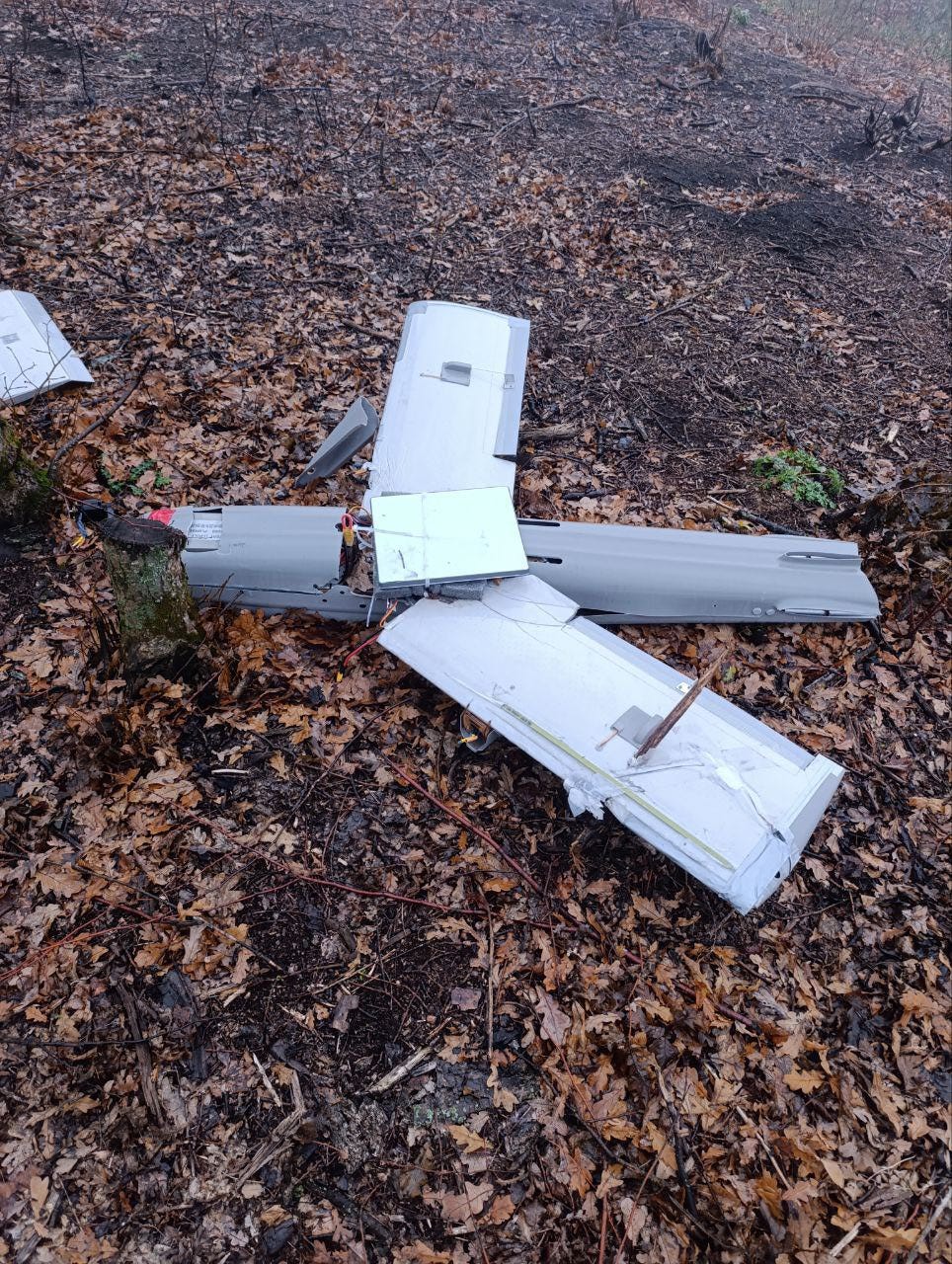
Confirmed cases have already emerged of Starlink terminals being detected onboard Russian fixed-wing strike drones near Pokrovsk. Recent media reports indicate that such use of Starlink has become both widespread and systematic — ranging from field deployments to armored vehicles and unmanned systems. Additional confirmation of Starlink use on the “Molniya-2R” UAV was recently published by Ukraine’s Main Intelligence Directorate on the official war-sanctions.gur.gov.ua platform. This indicates industrial-scale integration rather than improvised installations.
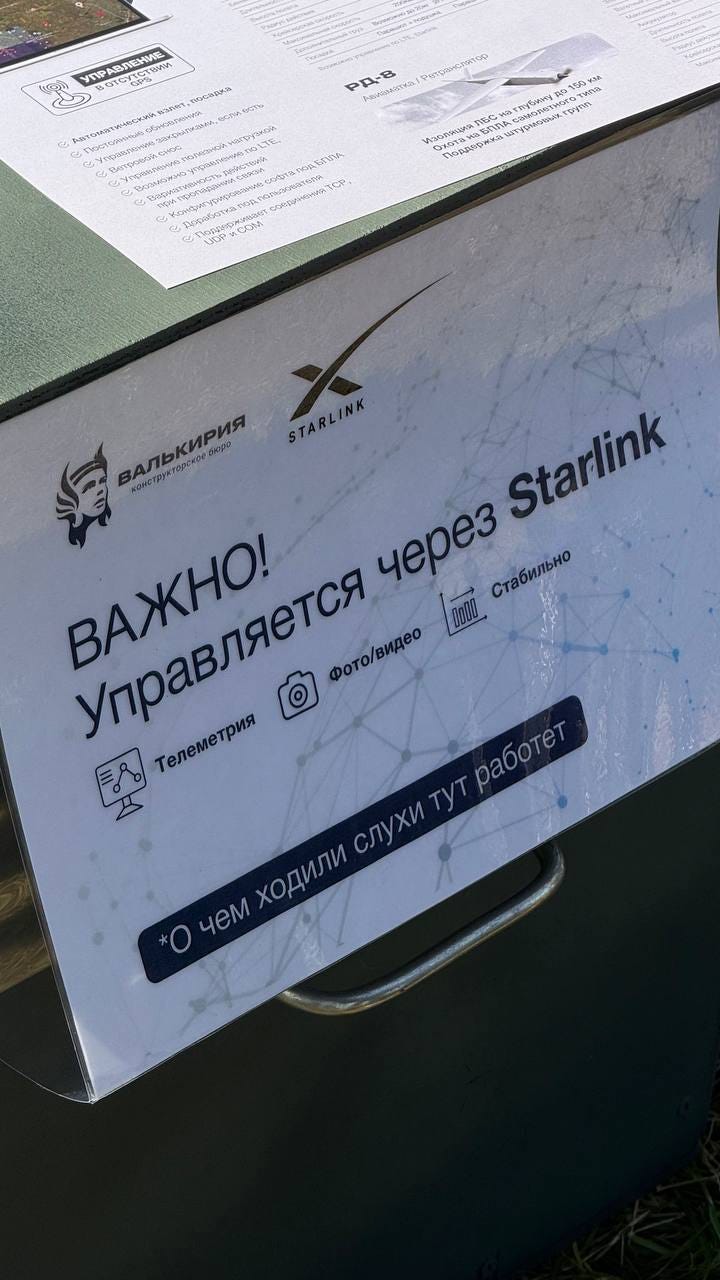
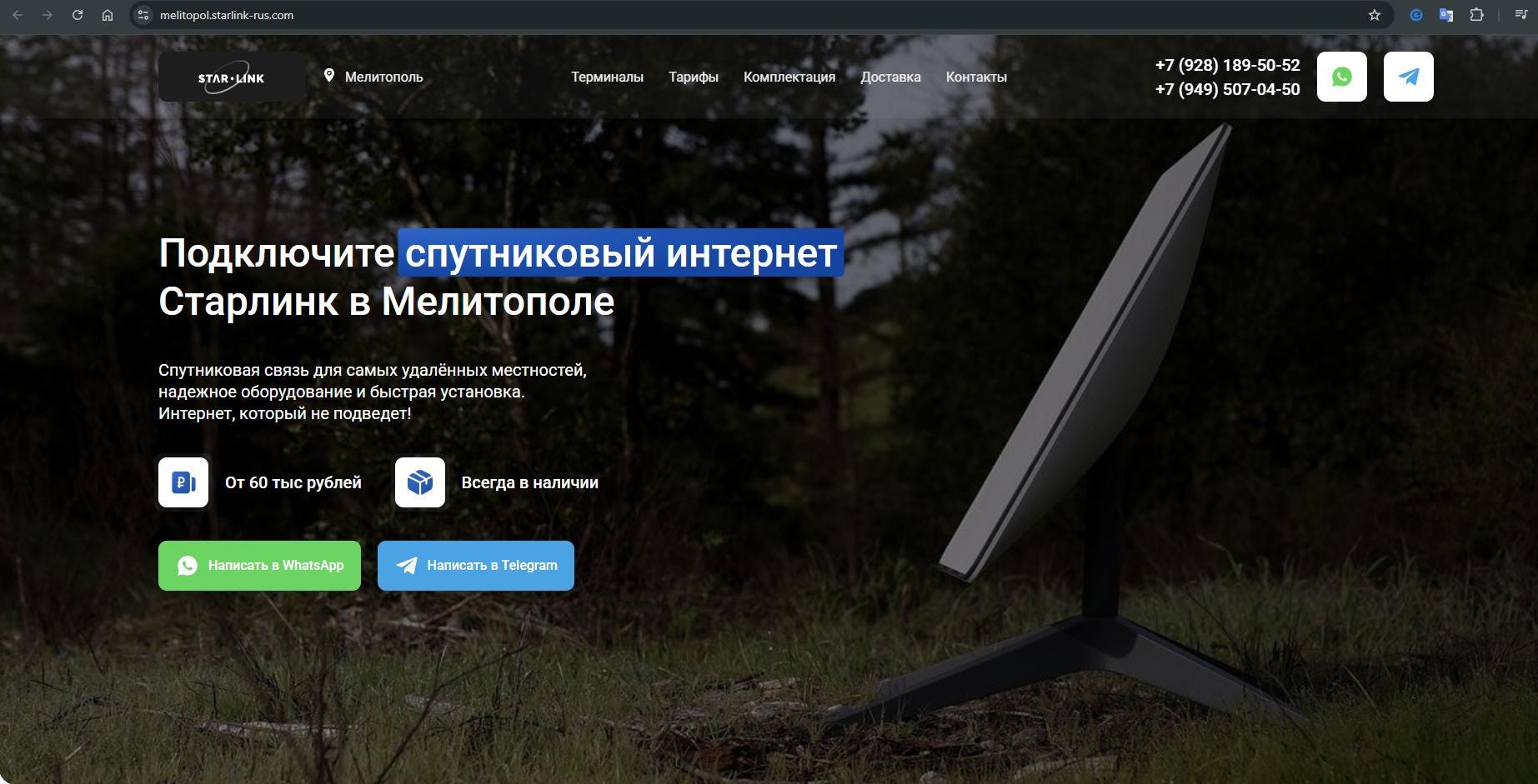
Earlier reports showed that Russian drone manufacturers no longer conceal this capability and openly advertise Starlink as a standard option for their systems. Despite international sanctions and global efforts to restrict access, the aggressor state has found multiple supply channels for Starlink terminals. Compact Starlink Mini terminals are reportedly being procured even within Europe.
As a result, the adversary is significantly enhancing its communications, reconnaissance, and strike capabilities through Starlink technologies that were previously a battlefield advantage for Ukraine. This development is particularly dangerous for attacks against critical civilian infrastructure and rear-area assets, including unique air defense systems and high-value long-range platforms. There are already reports of drones equipped with Starlink being used in strikes against civilian infrastructure in the Odesa region.
Ukraine now faces a new challenge: the need to protect its own satellite telecommunications domain. If the adversary continues to expand the use of Starlink on strike drones, hit rates against both civilian and military targets will deteriorate significantly for Ukraine. Whether through complete blocking or at least substantial restriction of the adversary’s Starlink usage, this issue directly affects the lives of many Ukrainians — both now and in the future.
What options are available to Ukraine? There are many. However, implementing them may require considerable effort, and some solutions may demand bold, decisive, and even harsh measures. It is worth examining the available options in greater detail.
Protecting Ukraine’s SatCom Domain
At present, any Starlink terminal operating in Ukraine with an appropriate tariff plan that supports “mobility” within the continent can function without restriction. This applies to both corporate business plans and private consumer subscriptions, regardless of the country of origin. Notably, private consumer plans — due to their relatively low cost — are the most common in Ukraine.
Combined with the absence of official national Starlink resellers and the refusal of foreign resellers to supply Starlink services to Ukraine through official channels, this situation has created an artificial and highly inconvenient form of “deregulation.” Of the more than 200,000 Starlink terminals estimated to be operating in Ukraine, fewer than 50% are supplied through official government channels. As a result, any attempt to introduce regulatory restrictions will inevitably face serious challenges: a significant portion of terminals are privately owned and purchased abroad, primarily in European countries. Official procurement of equipment and service packages for organizations within Ukraine is practically impossible, leaving most existing arrangements in a legal “gray zone” or dependent on foreign contracting.
This severely limits the effectiveness of conventional regulatory instruments.
By comparison, in August 2025 Starlink officially launched services in Kazakhstan and Israel — countries known for strict telecommunications regulation, particularly in satellite communications. In Israel, for example, it is impossible to activate a terminal in Palestinian territories without special authorization from national security bodies. Kazakhstan’s regulatory framework goes even further, requiring all network traffic to be “localized” (virtually or physically) within the national segment and subject to all applicable rules, including censorship.

These examples illustrate the existence of specialized activation procedures, white- and blacklists, roaming regulation rules, and other mechanisms that can be described as “regulatory tools for protecting national satellite telecommunications domains.” The specific rules themselves are less important than the fact that enforceable instruments exist. At present, Ukraine lacks such tools.
To implement them, Ukraine must put forward a clear strategic initiative, with definitions that translate into concrete regulatory rules. The Ukrainian government must explicitly define these rules and initiate all necessary steps for their enforcement. This includes identifying responsible actors — organizations, positions, and individuals — as well as establishing clear processes. Every foreign network operator must receive transparent requirements, timelines, and compliance criteria, along with an understanding of how monitoring and enforcement will function. All of this requires resources, expertise, technical capabilities — and fundamental adaptations to wartime conditions.
Each global satellite operator — Starlink, OneWeb, Amazon LEO, Iridium, Inmarsat, and many others — will require time to implement any new requirements. Many of their systems are already deployed directly on the battlefield. Any regulatory changes will inevitably lead to disruptions, errors, and temporary loss of connectivity. This reality must be acknowledged. However, it must also be understood that doing nothing allows these same technologies to be freely exploited by the adversary, resulting in further Ukrainian casualties.
As SpaceX moves toward a Starlink IPO and continues to adapt to regulatory demands in other countries, Ukraine has a real opportunity to establish its own effective mechanisms and rules. Sooner or later, these requirements must be defined and enforced — even if non-compliance by an operator results in the loss of certain technological capabilities for both Ukraine and the adversary.
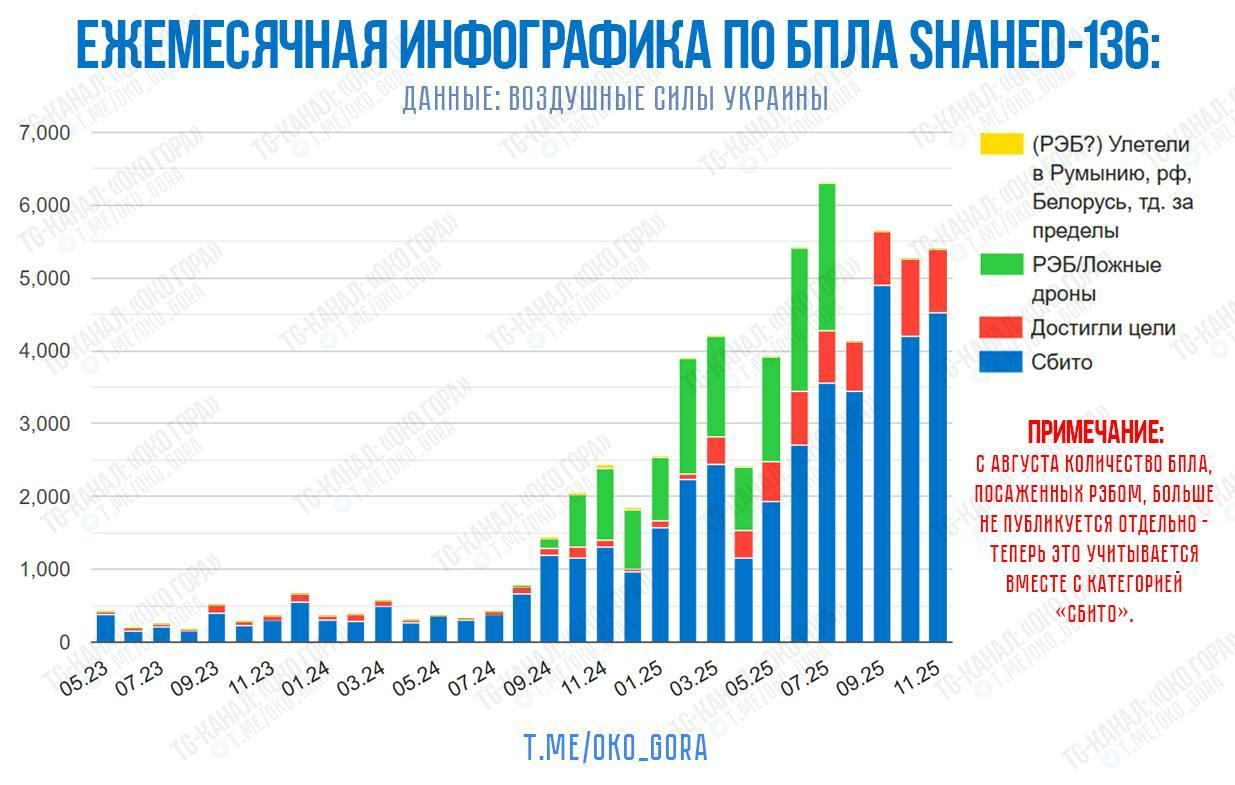
This challenge extends beyond Starlink alone. The year 2026 is expected to mark a major expansion of satellite projects — Amazon LEO, Telesat Lightspeed, and others with significant capabilities will become operational. Ukraine must clearly recognize that any satellite technologies it is able to integrate into its own drones today will also be available to the adversary.
Conclusion
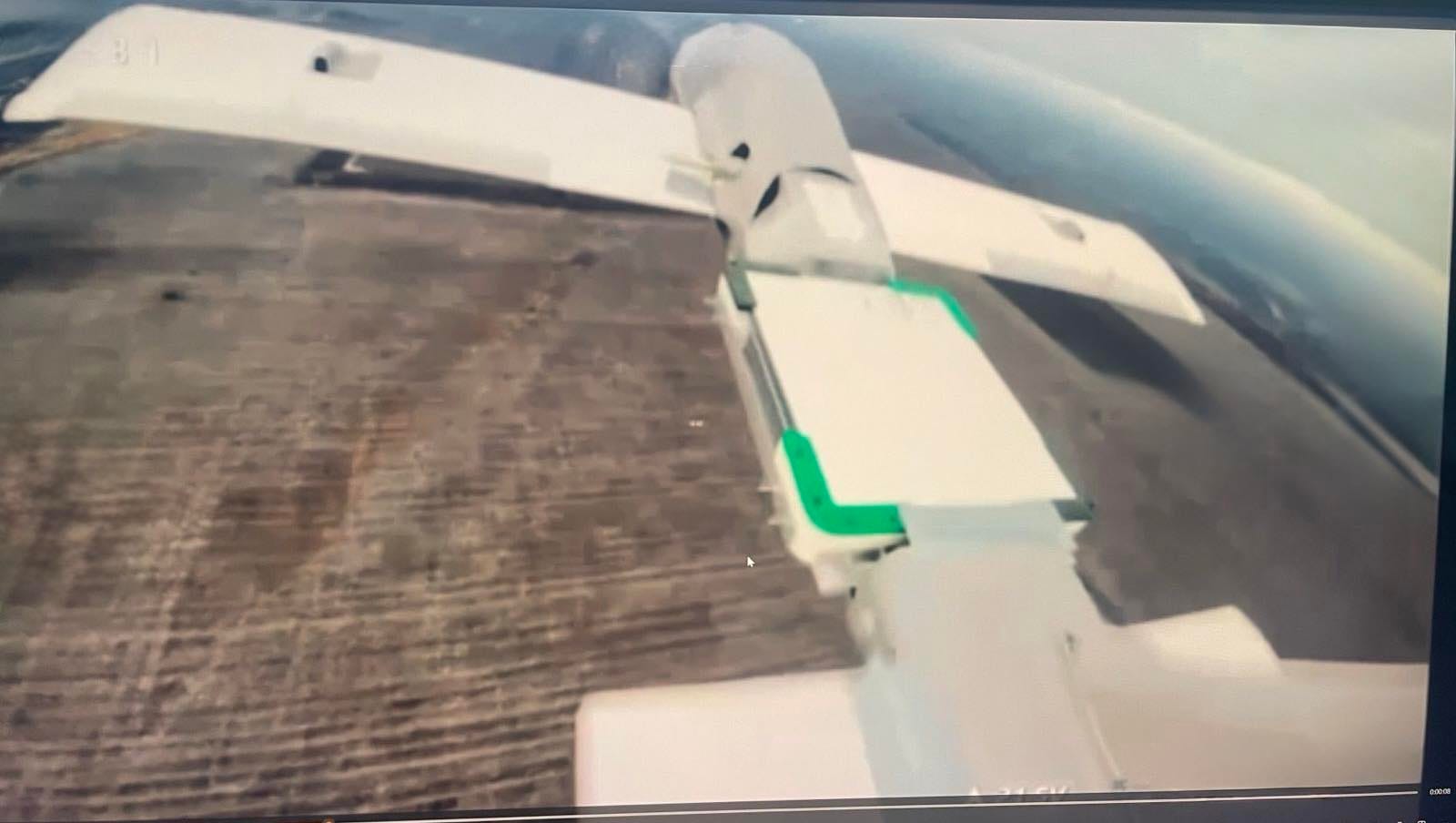
The specific technological solutions required to block or restrict the aggressor’s access to satellite communications technologies within Ukraine remain a subject for further analysis and development.
What is critical now is determining how Ukraine will confront this challenge in the coming year.
Will Ukraine be able to protect its national telecommunications domain from Shahed and Molniya drones equipped with Starlink, Amazon LEO, or other satellite terminals?
And will it be able to save the lives of both military personnel and civilians — now and in the future?