

According to reports on social media, an enemy reconnaissance UAV equipped with a Starlink Mini was recently found in the Pokrovsk area. In the first photo, we see a damaged aircraft resembling the “Molniya” line of UAVs after an unplanned landing. In the second photo, we can see the opened rear section and the installed electronics.
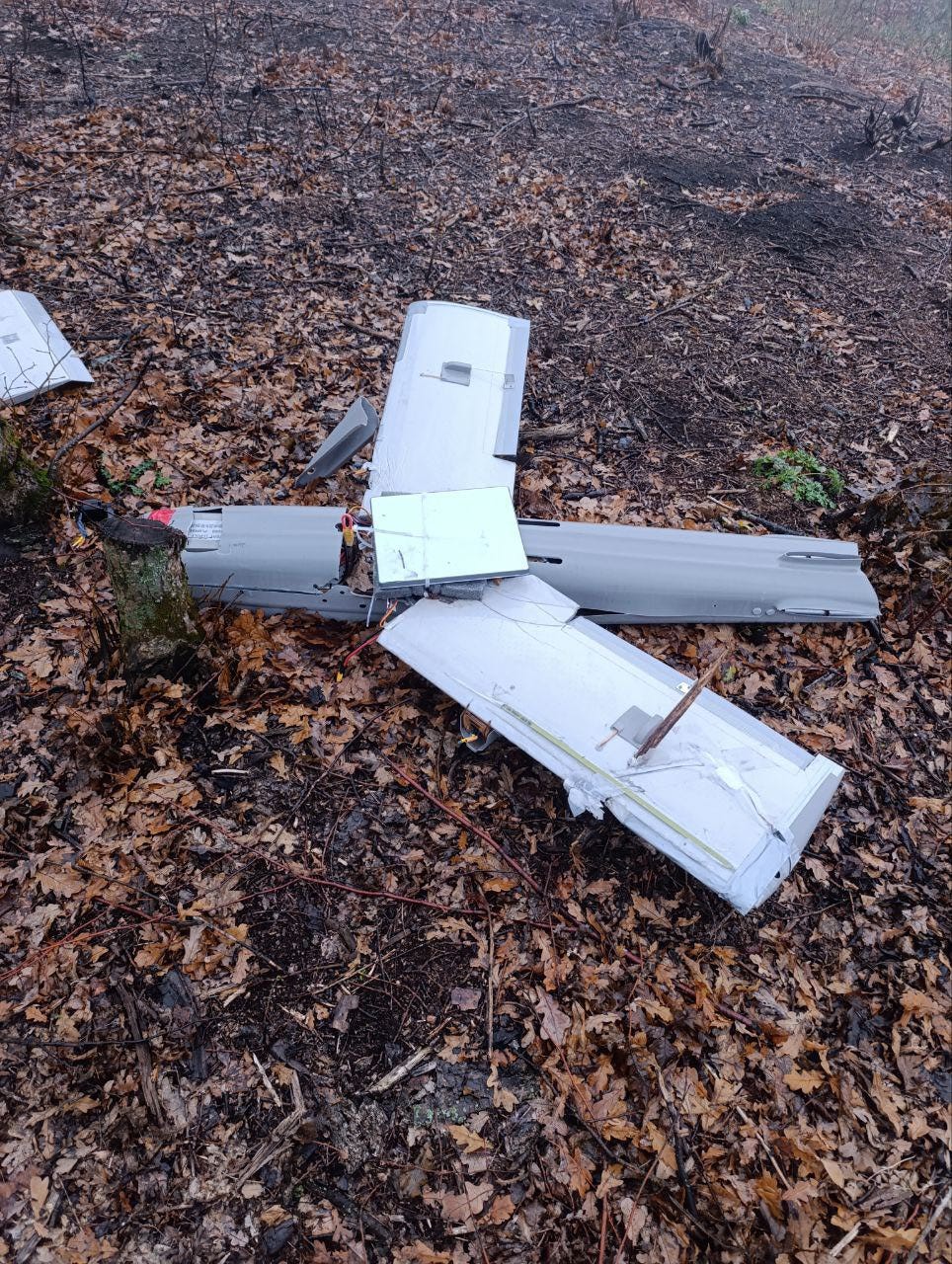
According to the author of the post, the photos were taken by a medic during the evacuation of a wounded servicemember. Unfortunately, it is not possible to provide more detailed information about the drone itself, the time of its crash, etc., under the circumstances.
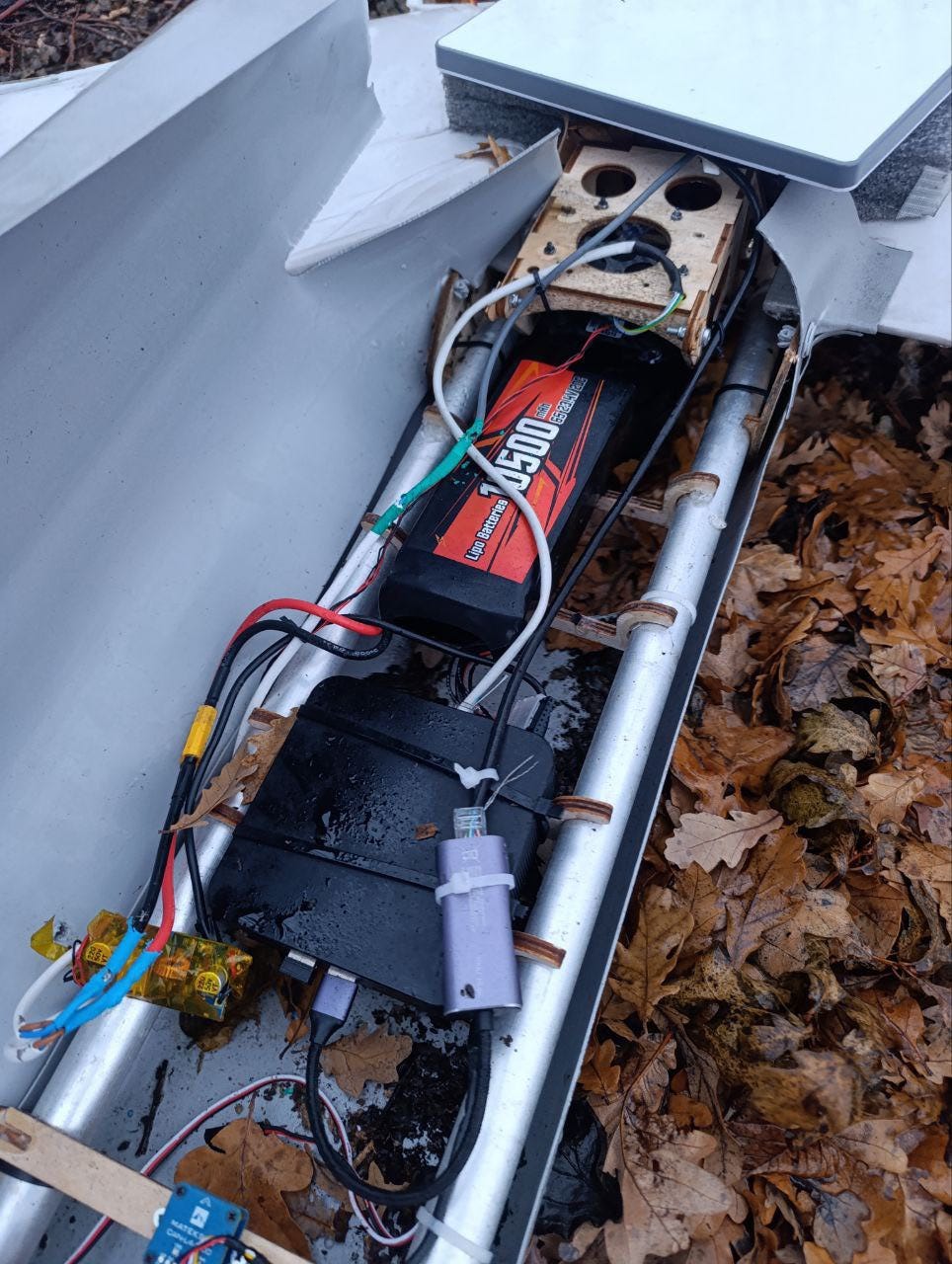
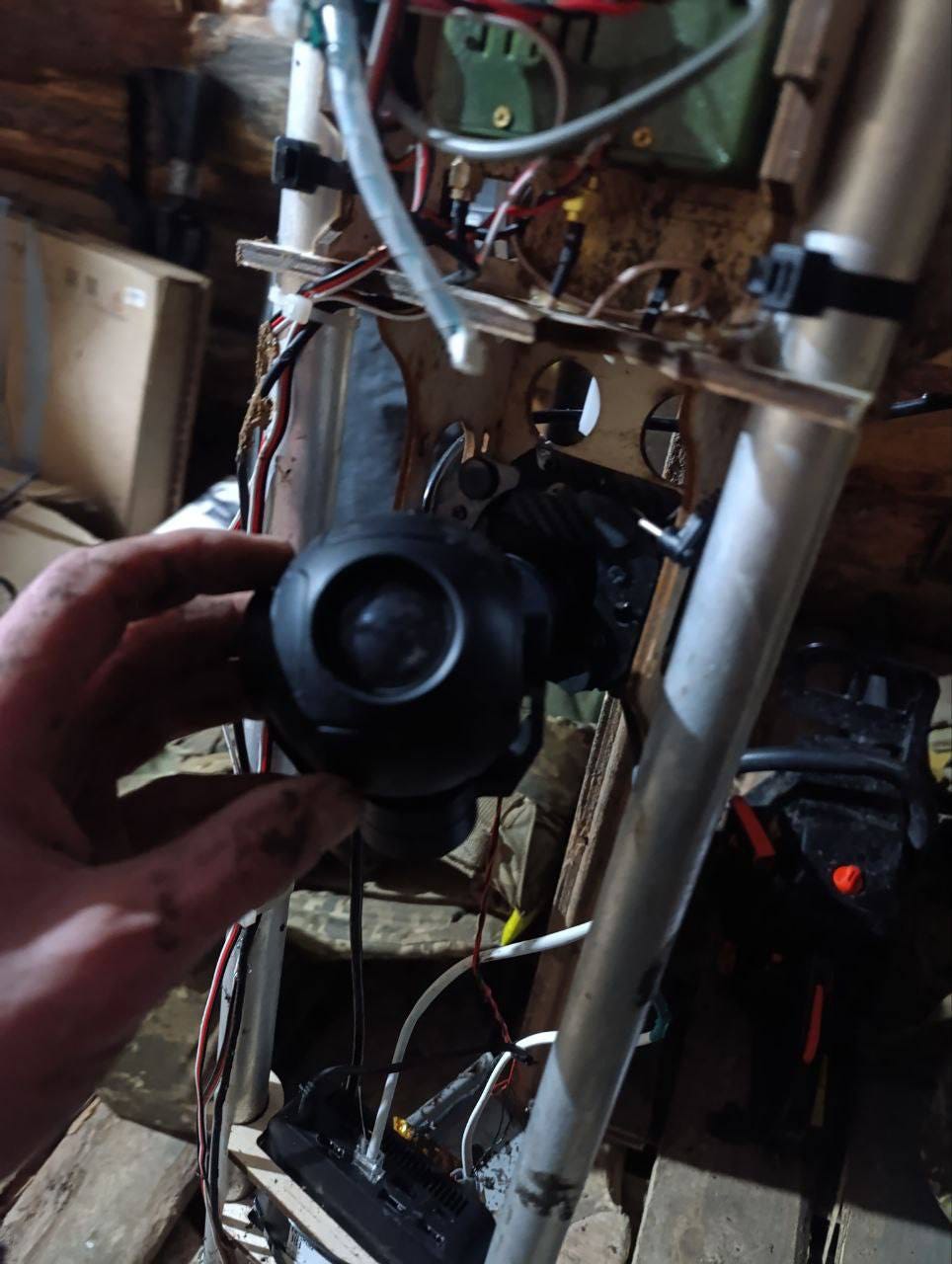
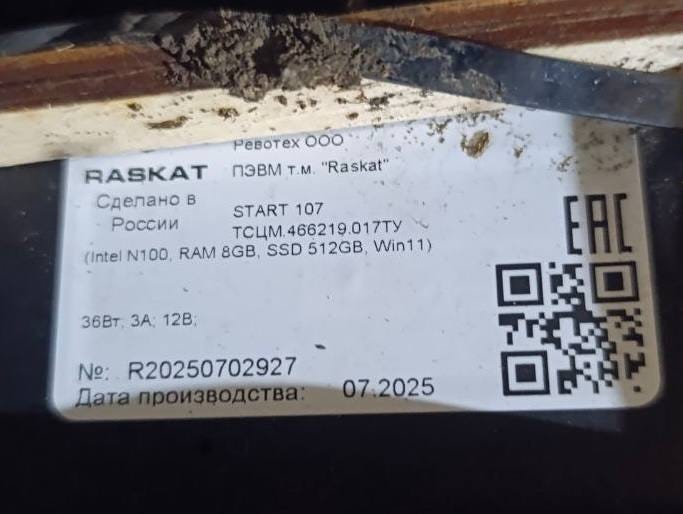
In the photos, we can identify the following components on board:
LiPo battery 10500 6S 23.4V 20C, likely from this manufacturer:
https://www.sunpadow.com/fpv-lipo-battery_c4Mini PC Raskat START 107
Starlink Mini, connected (likely) via a USB–Ethernet adapter
and some other elements and components
The key fact here is that the UAV is of Russian manufacture and was used accordingly by Russian armed occupation forces. This means that the purchase, setup, payment, and use of Starlink are being carried out specifically in the occupied territories of Ukraine. In the Russian Federation, Starlink satellite communication services are banned and should be inaccessible.
We have previously written about the trial in Lithuania concerning suppliers of Starlink to the Russian army. Earlier, we reported that drone manufacturers in the so-called Russian Federation no longer even attempt to hide the availability of Starlink for use. Evidently, the aggressor state does not face significant obstacles in obtaining Starlink, using all possible channels to do so.
In our view, the only effective mechanism for protecting Ukraine from the occupiers’ use of Starlink technologies is the creation of a fully developed distribution chain for equipment and services. This could give Ukraine the tools to regulate the format and restrictions of Starlink services, making their use by the occupiers extremely difficult. Unfortunately, this possibility has not yet been implemented.
It is obvious that maintaining the current status quo does not help Ukraine defend itself. It is unrealistic to block numerous small streams of Starlink supplies to the Russian Federation. To ensure protection, Ukraine urgently needs organizational and technical capabilities to manage the availability of Starlink services on its territory.
At the same time, Ukraine is the country with the largest number of satellite terminals on the continent. Providing SpaceX with significant monthly payments for Starlink services, Ukraine still does not have the same level of Starlink representation that exists in all other countries. And this raises many questions…


