

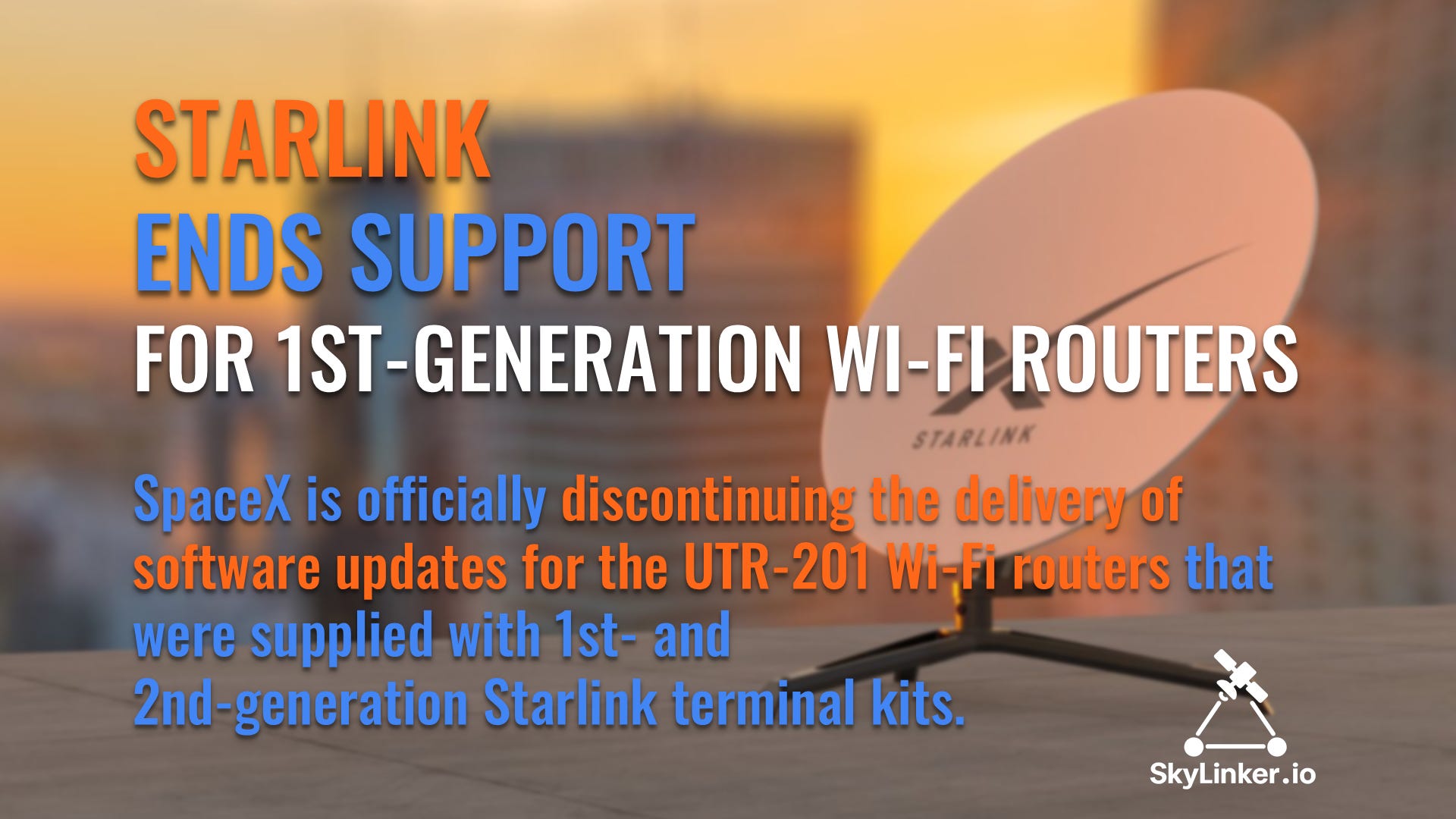
In November 2025, Starlink began notifying customers about the end of software support for the first-generation UTR-201 router, which was used together with 1st- and 2nd-generation terminals — the round UTA-201 and UTA-211.
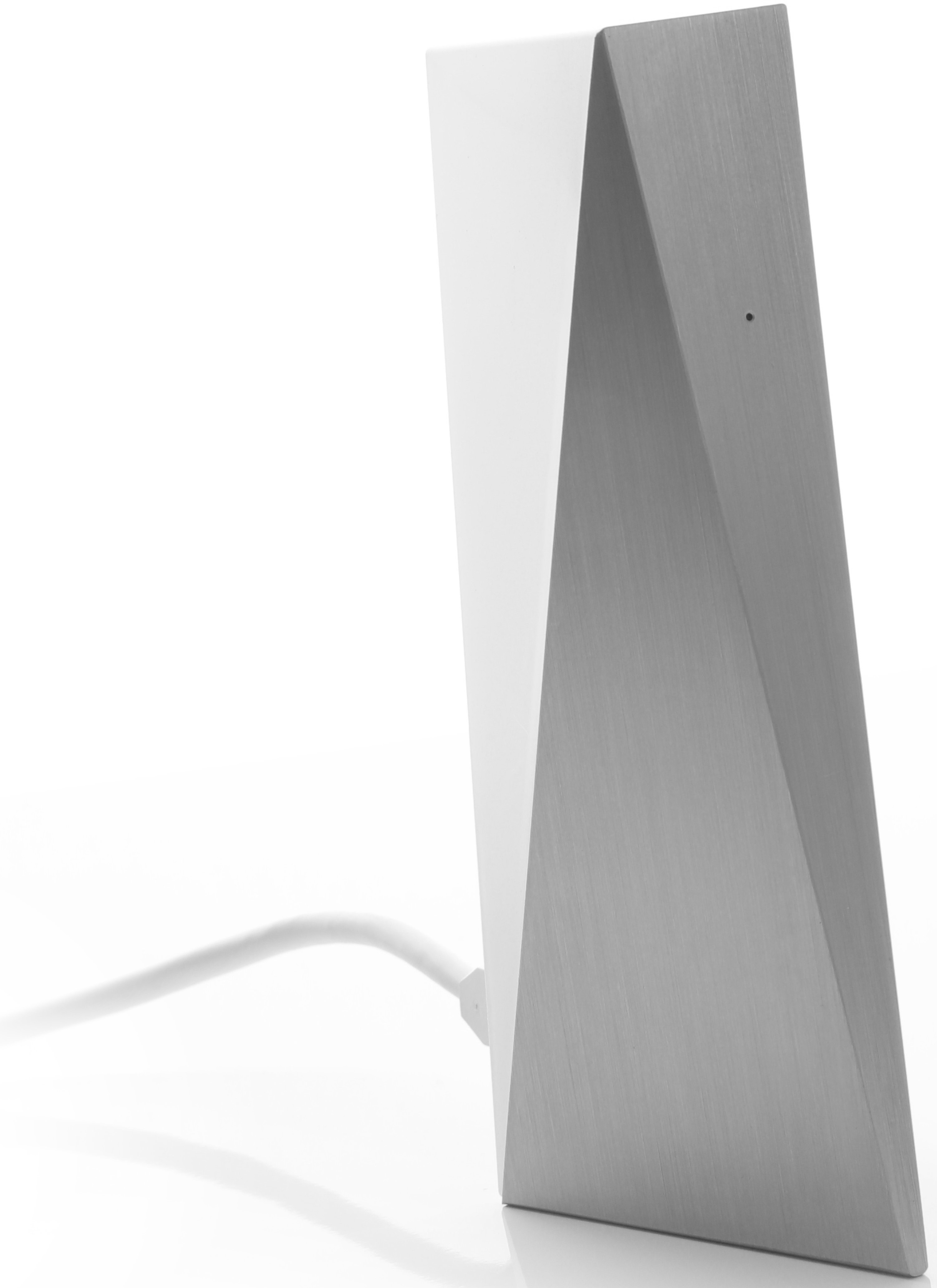
This is not about shutting down the service for the terminals themselves, but exclusively about discontinuing software and security updates for the outdated Starlink UTR-201 router. A detailed description of the changes and recommendations for owners of this router are provided in the relevant knowledge base article.
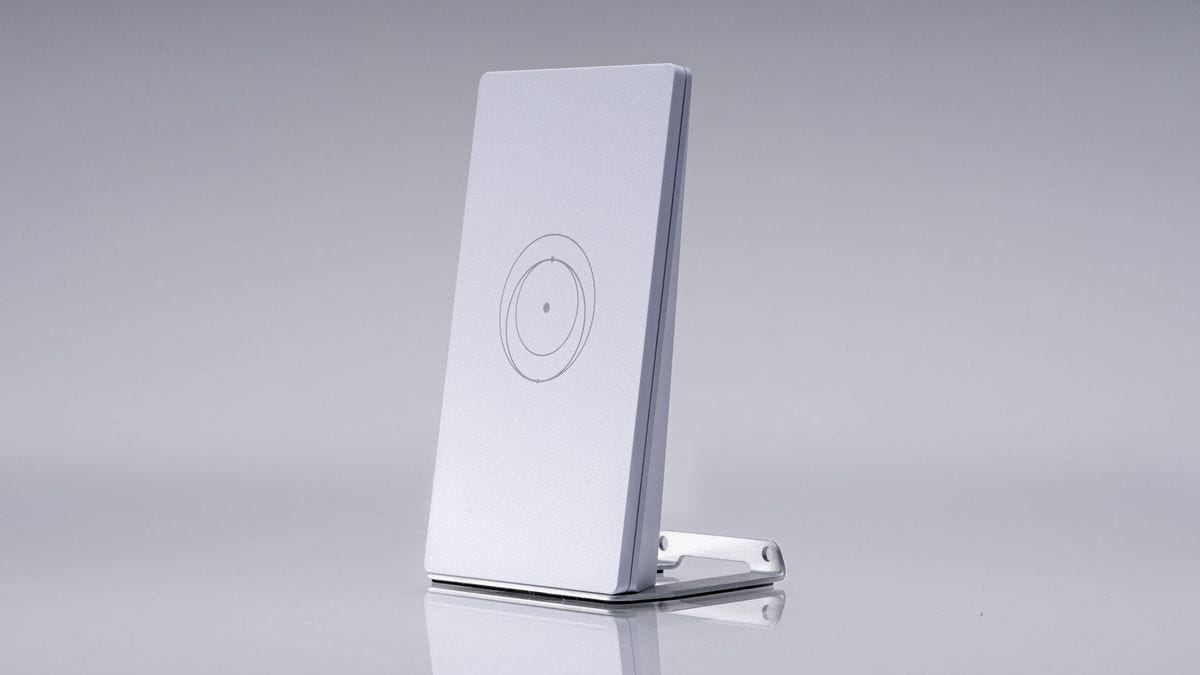
To minimize negative impact, Starlink is offering all affected customers a free Starlink Mini UTR-251 router, with no requirement to return the old router.
The replacement process is initiated via an email from Starlink, requiring a short confirmation and verification of the delivery address.
What exactly is changing?
Starlink has officially confirmed that:
● software updates for the Gen1 router will be discontinued;
● vulnerability patches will no longer be provided;
● long-term stability and compatibility are no longer guaranteed.
At the same time:
● the Starlink terminal itself (UTA-201 or UTA-211) continues to operate;
● access to the service is not blocked;
● continued use of the old router is technically possible, but entirely at the user’s own risk.
Effectively, the Gen1 router is moving into end-of-life (EOL) status.
Who is affected?
This decision applies to users who have a 1st- or 2nd-generation Starlink terminal (UTA-201 or UTA-211) and are using the original UTR-201 router.
Newer Starlink terminal and router kits are not affected by this limitation.
Practical details of the replacement
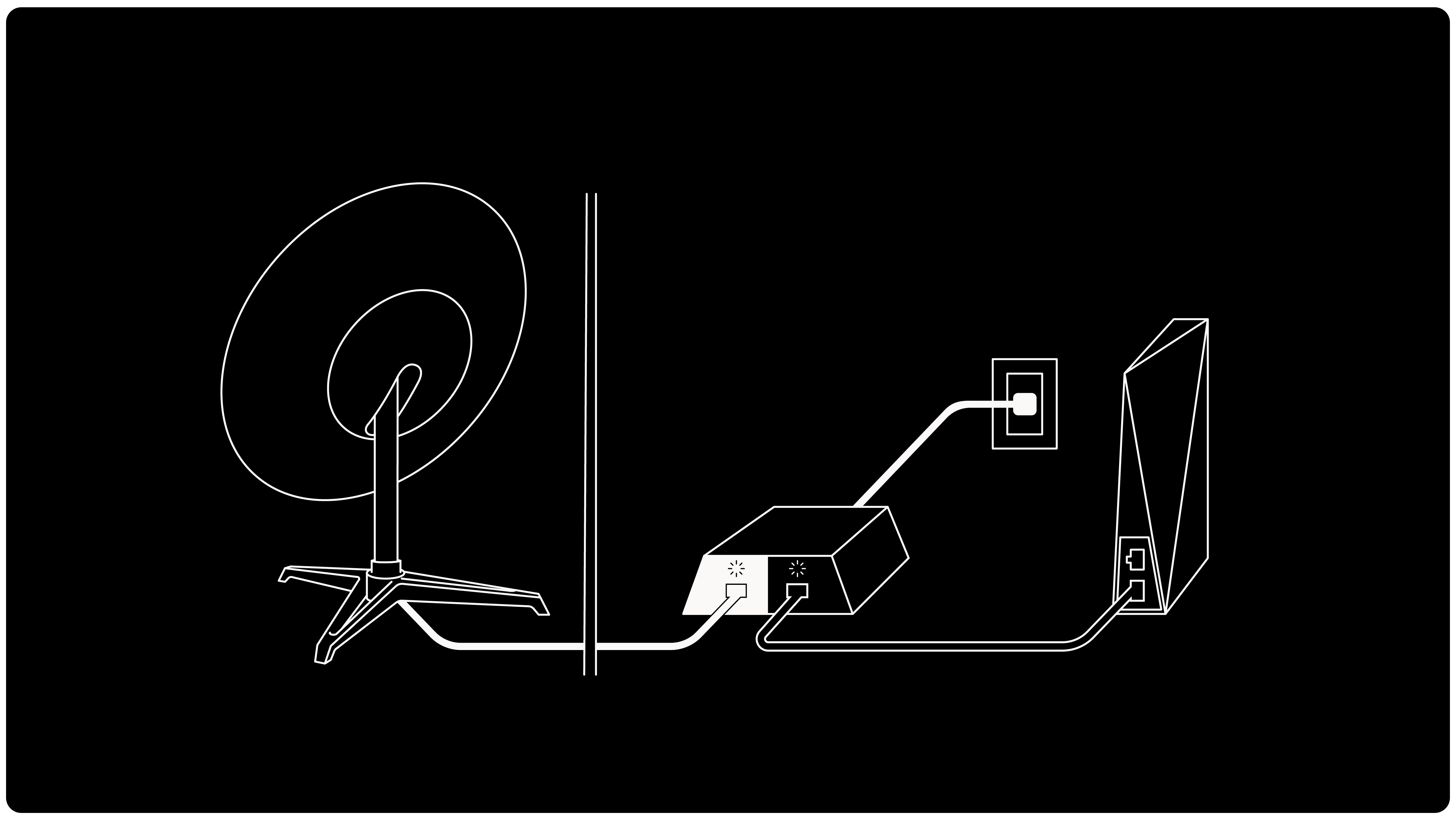
The Starlink Mini UTR-251 router fully replaces the old UTR-201 router by connecting via the Ethernet port on the power supply unit (PoE splitter). However, there is an important detail: the Starlink Mini UTR-251 does not use PoE and instead relies on a separate 15-watt power adapter, which is included in the package. This means that an additional 230 V power outlet will be required after the replacement.
If, during replacement, the same SSID and the same password are configured, user devices will reconnect automatically without the need for reconfiguration.
What happens if you do NOT replace the UTR-201 router?
Starlink explicitly states that everything will continue to work, but over time the following may occur:
● reduced stability,
● compatibility issues,
● security risks.
This is a standard scenario for operating network equipment without manufacturer support.
Conclusion
Starlink has formally closed the life cycle of its first-generation router without affecting the terminals themselves. This is entirely expected — new features and the continued evolution of the network cannot be constrained by technologies that are five years old.
A recent critical software update for Starlink terminals clearly demonstrated that SpaceX is not standing still and continues to actively upgrade its network and services.
The offered free replacement with Starlink Mini is a strong move by SpaceX that will positively influence user perception of Starlink.