

In the spring of 2022, the OneWeb story looked like yet another episode in the chain of ruptures between the so-called Russian Federation and the West in the space sector. The aggressor state effectively stripped OneWeb of its satellites and of the money already paid for their launch. However, today the propagandistic and loud statements made by Kremlin officials are turning into evidence of rights violations in international arbitration.
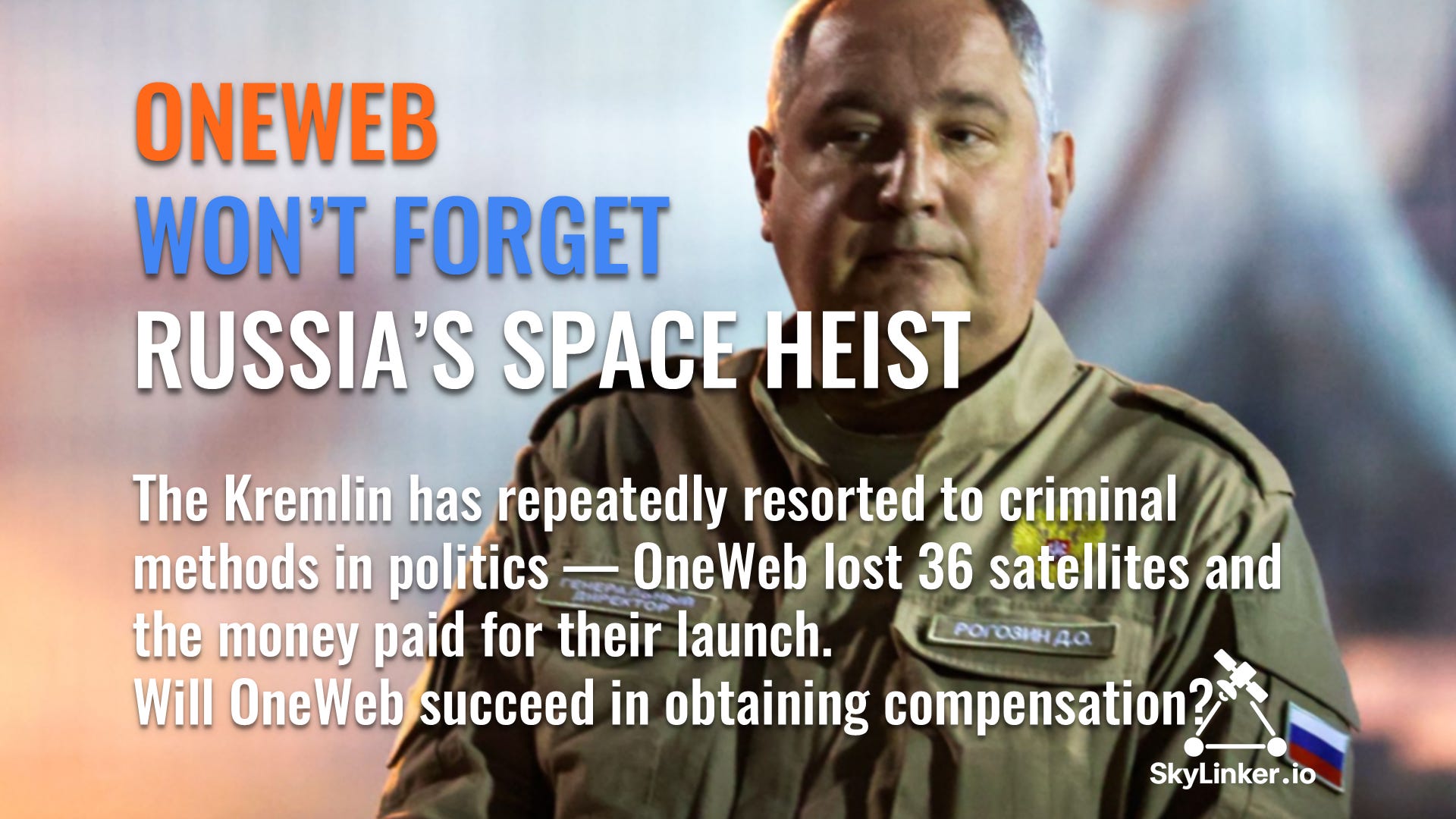
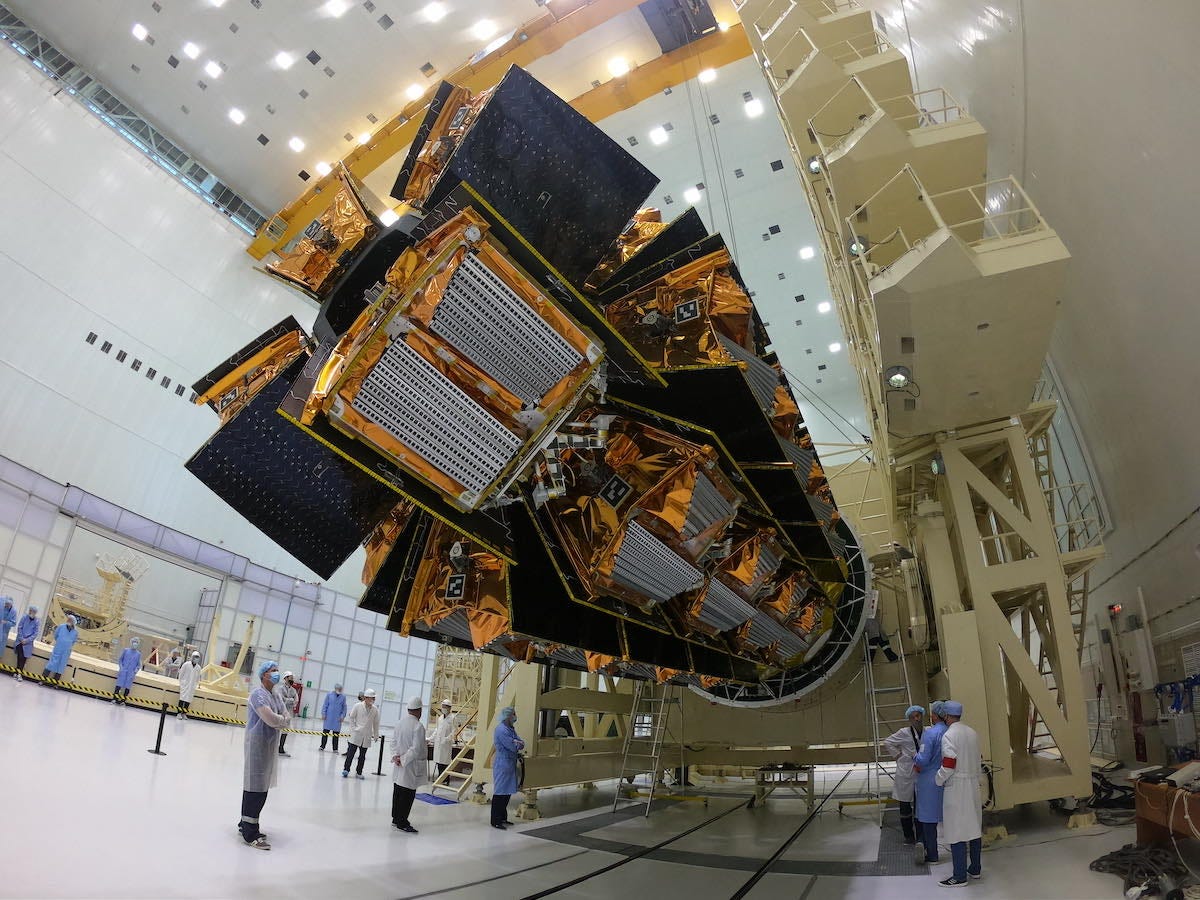
OneWeb was preparing for another launch of its orbital constellation from Baikonur. The Soyuz-2.1b rocket was already on the launch pad, 36 satellites had been integrated, and the contracts had been paid for. At that point, an ultimatum emerged. The head of Roscosmos, Dmitry Rogozin, publicly stated that the launch would not take place unless the company provided guarantees of the satellites’ “non-military use”. Formally, this could still have been presented as a political gesture or an attempt at precaution. However, almost immediately a second condition appeared — far more explicit. The Russian side demanded that the Government of the United Kingdom withdraw from OneWeb’s shareholder structure. Allegedly, as long as London maintained a “hostile position”, no launches would take place.
For a commercial company, this sounded absurd. The launch contract did not envisage any changes to the customer’s ownership structure. OneWeb refused to accept the conditions. The launch was aborted. It was at this point that a phrase was uttered which would later become central to the legal story: Rogozin stated live on television that the money paid under the contract would not be returned. In effect, the service was not provided, yet the funds remained with the contractor.
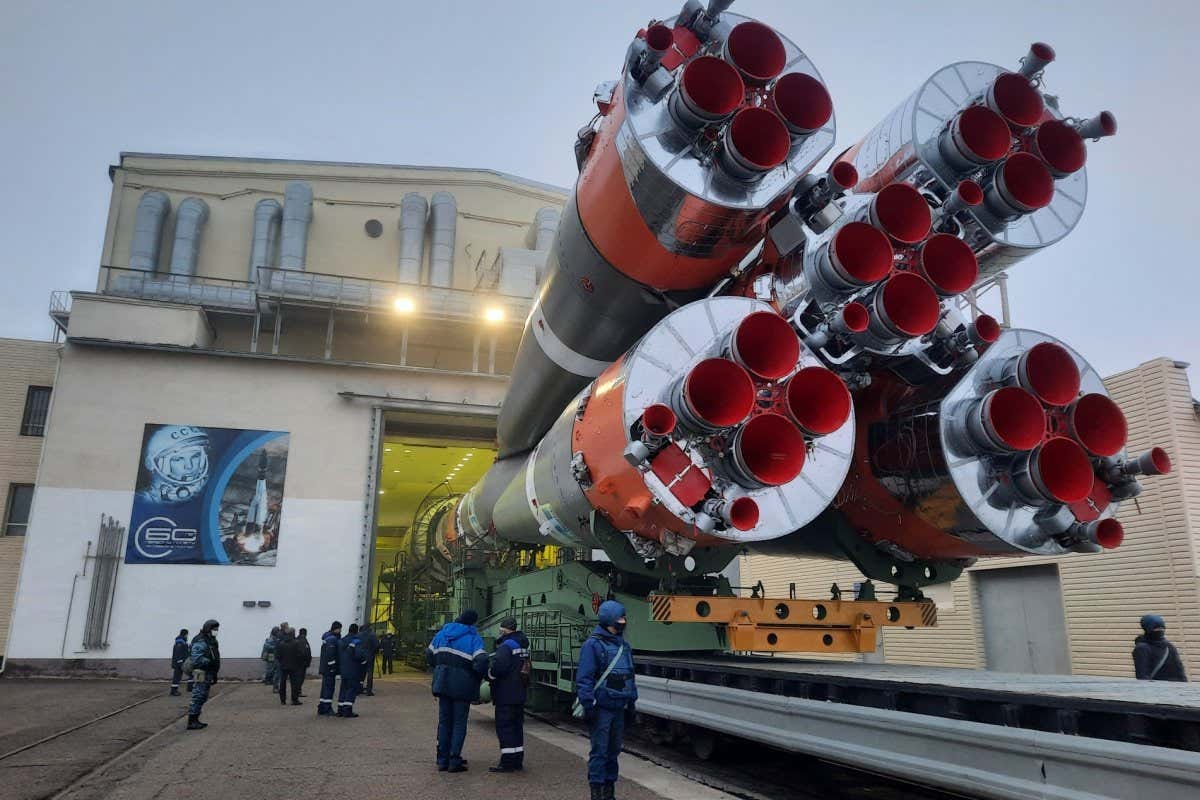
A few days later, the Kremlin’s chief space thug switched to a mode of public power display. In his Telegram channel, he described how he personally ordered the rocket to be removed from the launch complex, returned to the integration facility, and the “freed” launch vehicle reassigned to another mission — an Iranian satellite. His posts and comments carried an almost boastful tone: the rocket had been paid for, Russia had lost nothing, and instead of OneWeb another spacecraft belonging to “friendly” Iran would fly. A piquant detail also appeared there — a reference to a “call from a very high-ranking person” that was allegedly ignored. For the domestic audience, this was presented as a demonstration of sovereignty. For lawyers, it was a publicly recorded fact: a resource paid for by one customer was deliberately and unilaterally reassigned to another.
Time passed, and what initially looked like a political conflict began to transform into a legal case. OneWeb, now part of Eutelsat, turned to investment protection mechanisms. The basis was a bilateral investment protection agreement between the USSR and the United Kingdom — a document dating back to the late Cold War, but formally still in force. It is likely that Kremlin lawyers simply failed to “strike it out” of the relevant legal framework in one way or another. It is precisely this treaty that opens the path to investment arbitration if the actions of a state lead to expropriation or its equivalent.
The case is being considered under the UNCITRAL Rules — this is not a “UN court”, as headlines sometimes claim, but an ad hoc arbitration procedure frequently used in investor–state disputes. Such proceedings often “land” in The Hague, where the Permanent Court of Arbitration operates and where the infrastructure for such hearings exists. This does not imply automatic publicity: UNCITRAL arbitrations may last for years with little to no official press releases, while key documents remain confidential.
The legal logic of OneWeb in this story is fairly straightforward. The state, acting through a controlled entity, imposed conditions not provided for in the contract. Refusal to accept them led to the cancellation of the launch. The funds paid for the service were not returned. The paid-for resource was used for a different purpose. In the language of investment law, this readily forms the construct of “indirect expropriation”: the investor was deprived of the ability to dispose of its investment, and its economic value was devalued.
Now this narrative is slowly but inexorably moving through the corridors of international arbitration. If the tribunal sides with the investor, the matter will not end with a paper award. The next stage will be enforcement. This means searching for Russian assets abroad, attempting to seize them or to use them to satisfy the claims arising from the arbitral award. Sovereign immunity and sanctions make this process complex, but not impossible — practice from previous years demonstrates this. Therefore, OneWeb has every chance of obtaining appropriate compensation for the Kremlin regime’s space “heist”.
In the end, the OneWeb story no longer appears to be an episode of “space diplomacy”, but rather a case study in how public ultimatums, refusal to return money, and demonstrative reassignment of launches can turn into arguments in The Hague. What in 2022 was flaunted as a political and propagandistic gesture increasingly looks, by 2026, like material for a finding of liability and years of enforcement efforts. And this is precisely the main paradox of the story: words spoken “for television” may, over time, prove more costly than anything else.
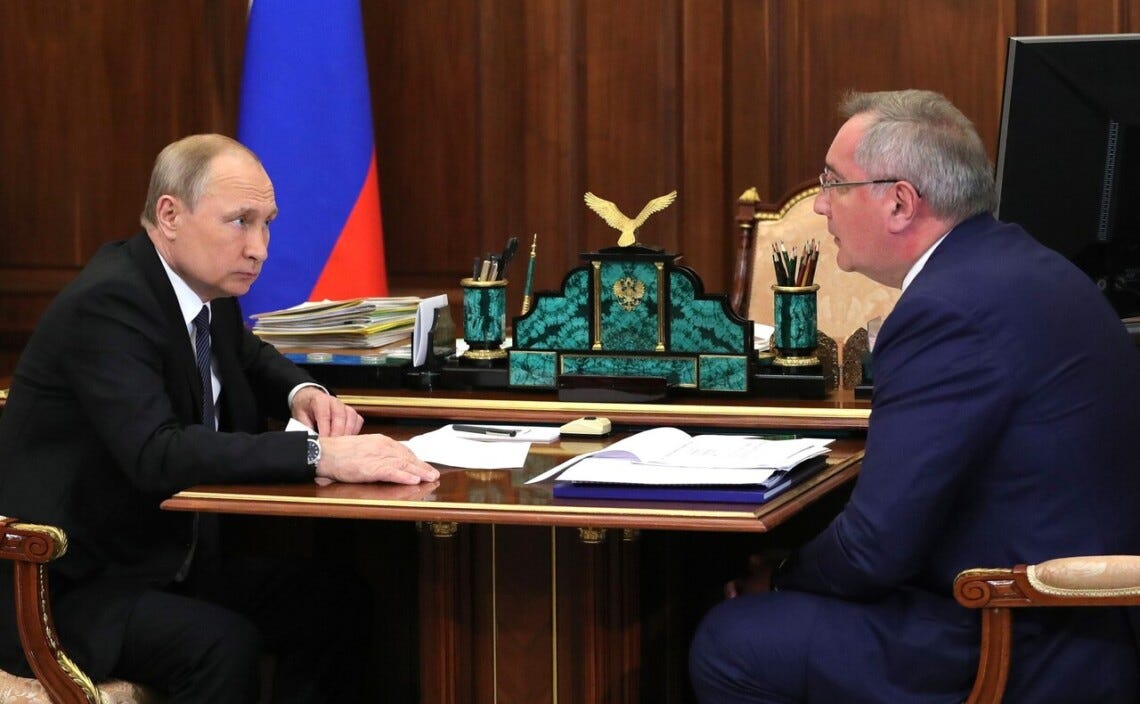
Author’s remark: on the Kremlin’s side, there is currently an active “purge” of official and semi-official public statements by Rogozin from online resources of the Kremlin regime. Therefore, providing links to primary sources is unfortunately not possible. However, a diligent reader will easily find numerous re-publications of such statements simply by using a search engine.